CLIENT REFERRALS · B2B AGENCIES
How to ask for B2B referrals: a simple agency playbook
How to ask for B2B referrals without making clients uncomfortable: choose a real win, describe the right introduction, and use a permission-based script.
“Do you know anyone who needs an agency?” makes the client do all the thinking. A specific, low-pressure request is easier to answer and easier to forward.
A referral is an introduction, not a guaranteed deal. Protect the relationship by making the next step useful for both people.
1. Choose a moment grounded in value
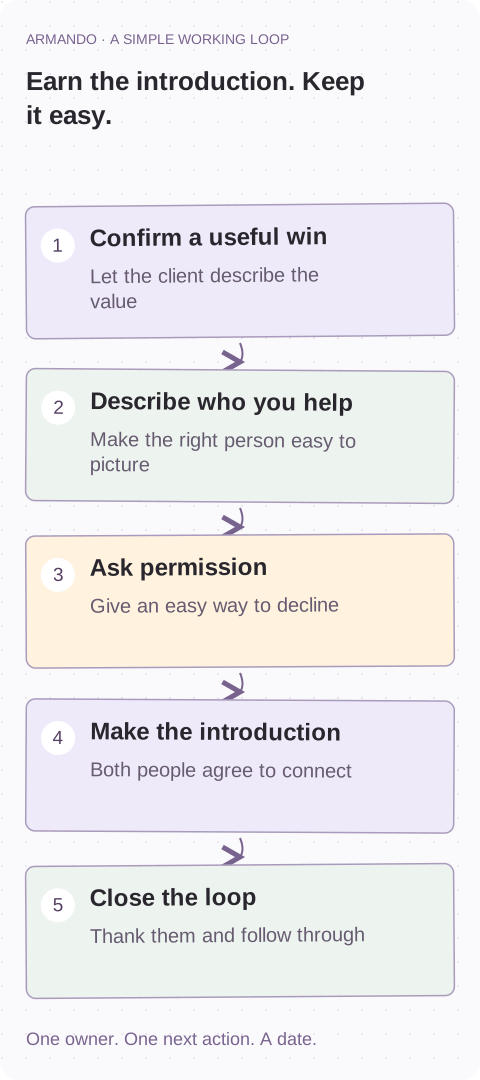
Good moments include a client confirming a useful milestone, giving clear positive feedback, or renewing because the work still serves them. Do not ask while a complaint or missed promise is unresolved. Verify that they are comfortable recommending you instead of inferring it from polite praise.
- Record the result the client actually acknowledged.
- Check for outstanding issues before making the request.
- Ask the account owner whether the timing and contact are appropriate.
2. Make the introduction easy to picture
Describe a problem you solve, the kind of organization it fits, and the relevant role. Do not require the client to share a private contact list. One thoughtful introduction is enough for a first request.
COPY & ADAPT
I’m glad [confirmed result] was useful. We’re looking to help [type of team] dealing with [specific problem]. Is there anyone you think would benefit from a short conversation? If someone comes to mind, would you be comfortable asking whether they want an introduction? No pressure if not.
3. Provide a short note they can forward
Give the client a neutral explanation of who you are and why a conversation might help. Keep it brief and avoid inserting results or endorsements they have not approved. Let them edit it or introduce you in their own words.
COPY & ADAPT
I work with [agency] on [type of work]. They help [audience] with [problem]. I thought a short introduction might be useful given [relevant context]. Would you like me to connect you?
4. Handle the introduction without creating work for the client
Once both people agree to the introduction, reply with a short thank-you and a clear next step. Ask the new contact about their situation before presenting a proposal. Tell the referring client that you followed up, but do not share the new contact’s commercial details without permission.
- Confirm that the new contact wants the conversation.
- Offer a brief initial discussion with a clear purpose.
- Record the source internally and keep client context private.
- If there is no fit, say so and close the loop politely.
5. Add a repeatable reminder, not an automatic ask
Start with an internal reminder after confirmed wins. Let the account owner decide whether to ask. Do not turn every completed task into a referral prompt.
If you introduce incentives, agree the rules first and check the client’s policies and any relevant restrictions with the appropriate owner. Never offer a personal reward to a procurement decision maker as a shortcut. A useful introduction does not require a reward.
Track asks, accepted introductions, qualified conversations, and resulting engagements separately. Conversion from introduction to engagement = engagements won ÷ introductions received for a defined cohort. Small samples are volatile; counts and reasons are more useful than a grand claim about program performance.
Start with one account this week
- Choose a client who has confirmed a useful result.
- Write the problem and role you want an introduction to.
- Ask permission using the short script.
- Follow up and thank the client without repeated pressure.
Common questions
Should we pay clients for referrals?
You do not need an incentive to start. If you offer one, define it transparently and check the client’s rules and relevant restrictions before making the offer.
What if a client does not respond to a referral request?
Leave room to decline. A single polite follow-up may be appropriate in context; repeated requests can damage the relationship.